
How a community-driven exhibition explores the shared experience of caregiving.
When she was diagnosed with an incurable type of brain cancer in 2016, Catherine (Cat) Shteynberg returned to her job just months after surgery. The reason? Her undeniable love for her work.

Cat Shteynberg speaks at the opening celebration of Homelands: Connecting to Mounds through Native Art
“Maybe that wasn’t the best choice on my part [laughs] . . . I also had a young child at the time, so it was [pauses]… a lot,” she said.
As the former Assistant Director of the McClung Museum, a mother and wife, Shteynberg never let anything stand between her and her busy lifestyle. However, it wasn’t until her second brain surgery to treat her astrocytoma—a low-grade brain tumor—as well as chemo and radiation, that she realized she might need to take a step back.
“You have to treat [my type of cancer] for the rest of your life, and it will likely shorten your life,” Shteynberg said.

Cat Shteynberg, Executive Director Claudio Gómez, and museum staff
With much hesitation, Shteynberg retired from the museum in May 2025 due to ongoing side effects from her treatment.
“It was one of the hardest decisions I ever made in my life. I quit because I had to, and now I realize how important that was to my healing,” Shteynberg said.
However, upon her retirement, Shteynberg remained committed to completing one final project near and dear to her heart: an exhibition titled Images of Care planned for the McClung Museum’s Community Gallery.
Developed in collaboration with Dr. Joel Anderson, a distinguished professor at the University of Tennessee College of Nursing, Images of Care showcases shared photographs and personal reflections that explore the intergenerational nature of giving and receiving care. Rooted in community participation, the exhibition invited people from across UT and the broader community to contribute photographs and reflections that highlight the many forms that care can take across generations.

Photo submission by Micheline Aubuchon featured in Images of Care
Shteynberg said the concept for the exhibition began to take shape after she became involved with the UT Humanities Center Scholars Collective on Mortality. Through the collective, she met Anderson, whose research focuses on symptom management and caregiver support in dementia and Alzheimer’s care. Together, they explored how an exhibition could engage the campus community in conversations about caregiving, an idea that became Images of Care.
“As I began sharing information about the idea with colleagues during the exhibition’s planning phase, enthusiasm grew, and the overall approach was modified to include caregiving across the life course and to use our campus community as the participants,” Anderson said.
The museum’s Community Gallery provided the perfect setting for the exhibition. Designed by the museum’s education team as a flexible space where campus and community partners can share research, creative projects, and personal stories, the Community Gallery invites visitors to engage with topics that matter to the people and communities around them. For Anderson, Shteynberg, and the museum’s team, it offered an opportunity to bring conversations about caregiving into a public setting and encourage others to reflect on their own experiences of giving and receiving care.

Entrance to the McClung Museum Community Gallery featuring Images of Care exhibition
Community members submitted photographs and personal reflections for Images of Care during fall 2025, with the exhibition installed in spring 2026. Each photograph was accompanied by a caption written by its contributor, providing personal context and meaning. Together, the images captured many expressions of care, from holding a loved one’s hand in the hospital to helping care for younger siblings to supporting loved ones undergoing treatment.
When reflecting on the exhibition, Anderson emphasized the role of its contributors. “The depth came from the willingness of the participants to share such poignant images and stories of care,” he said.
He noted that the exhibition’s themes reflect a reality many people experience throughout their lives. Drawing from his own experiences, Anderson recognized the power of storytelling in fostering dialogue around caregiving.
“Through my own personal and professional experience with caregiving, I knew how powerful stories of care can be and how such stories and images can inspire conversation,” he said.
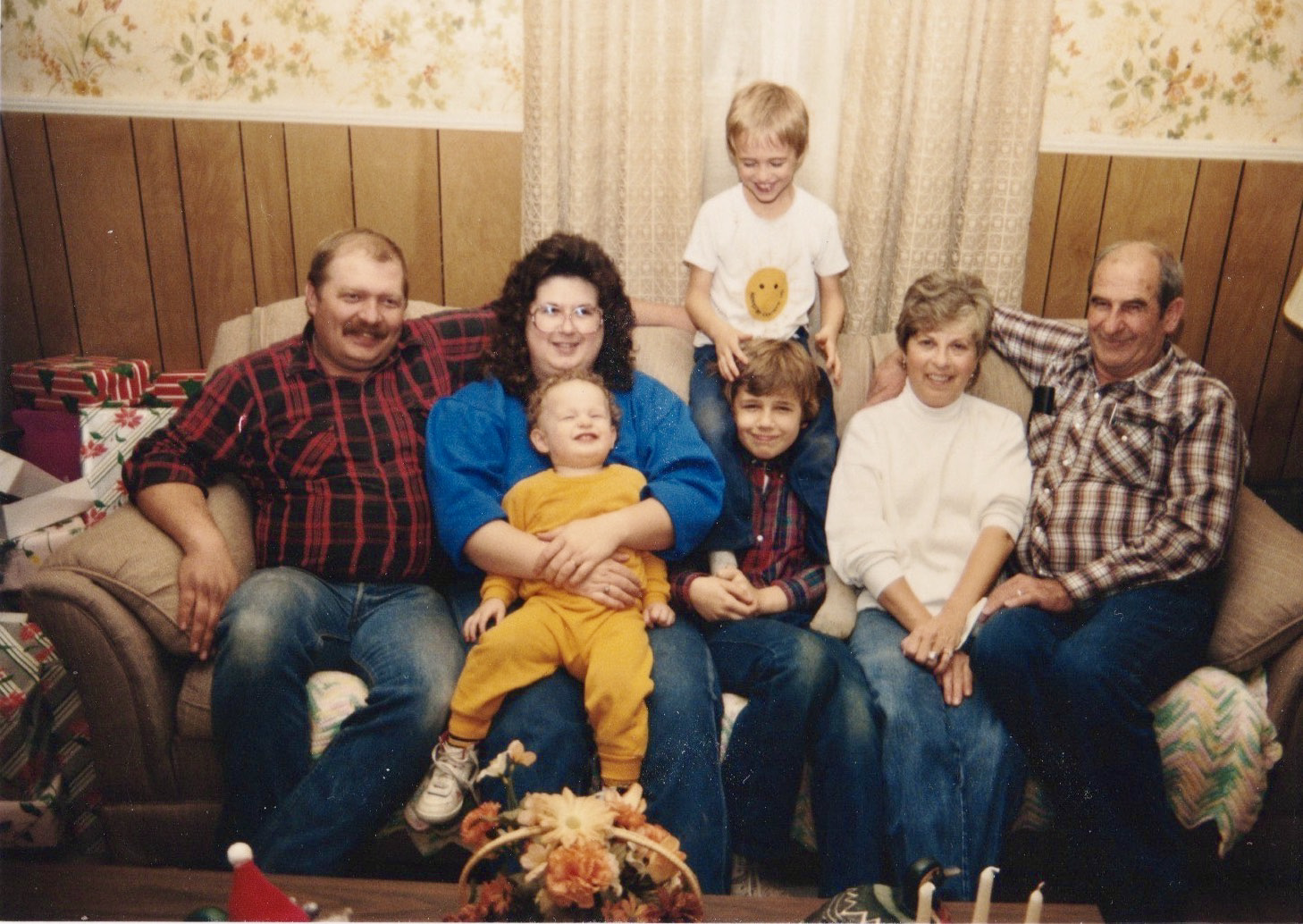
Photo submission by Dr. Joel Anderson with the reflection: “True to Rosalynn Carter’s sage words, I’ve cared for, been cared for, will care for, and will be cared for by everyone in this photo.”
While not physically present when Images of Care debuted because of ongoing treatment, Shteynberg was overwhelmed with excitement at its completion.
“Even though I wasn’t at the museum, I was so excited that the idea had come to fruition. Any time we can collaborate with someone on campus or tie into their research, it’s very important to us as a museum,” Shteynberg said.
Because of the exhibition’s unique storytelling and delicate subject matter, Shteynberg said there is something everyone can take away from it: humanity.
“… I think something that people can take away from this exhibition is that we’re all human. You only have one life. We’re all going to get sick, and we’ll all die one day..There are so many things we can’t control in this life, but we can try to live the life we want to live right now.” Shteynberg said.

Photo submissions and a quote by Rosalynn Carter on view in Images of Care
In return, Anderson noted the importance of such an exhibition within a community gallery space, emphasizing the attention it draws to subject matter that might otherwise go unaccounted for.
“According to the most recent data from the National Alliance for Caregiving, 63 million adults in the U.S. provide ongoing, complex care to family members and friends of all ages,” Anderson said. “In Tennessee, nearly 1.6 million family and friend caregivers serve in unpaid caregiving roles, with more than a third providing at least 40 hours of care per week. Exhibitions like Images of Care allow us to think about what community and care mean,” he said.
“… Joel’s idea is so powerful because it is not him trying to say how people feel or comment on what it is like to be a patient or caregiver. It is each individual person describing what their experience looks like,” Shteynberg said.
Shteynberg’s submission to the exhibition features a photograph of her recovering from surgery with the help of her caregivers—her parents and sister.
Though Images of Care closed in early June, the exhibition helped reflect the realities of care and shared stories of caregiving that often go unseen.
For more information about the exhibition, visit https://mcclungmuseum.utk.edu/exhibitions/community-gallery/ for details.
For more information about caregiving in the U.S., including resources and opportunities for advocacy, visit the National Alliance for Caregiving at www.caregiving.org.